

Introduction
Paige Bueckers has rapidly established herself as one of women’s basketball’s brightest stars, known for her extraordinary skill and calm under pressure. But like many elite athletes, her career has been tested by major setbacks—most notably, an anterior cruciate ligament (ACL) tear. Suffering this injury at a pivotal moment added not only physical but also emotional and professional challenges to her journey. In this article, we’ll examine when and how Bueckers was injured, the effects on her career, and how media and public perception have shaped the broader narrative around her recovery.
Timing of the Injury: A Turning Point
Bueckers tore her ACL early in the 2022 basketball season—a time when her influence and performance were peaking. The timing could hardly have been worse, interrupting her growing momentum and posing a serious obstacle to her development. Sports medicine experts often stress how the stage of an athlete’s career at the time of injury can influence the difficulty and length of recovery. For someone like Bueckers, this meant the injury wasn’t just a temporary setback, but a moment that could shape her long-term future in basketball.
Immediate Impact and Medical Response
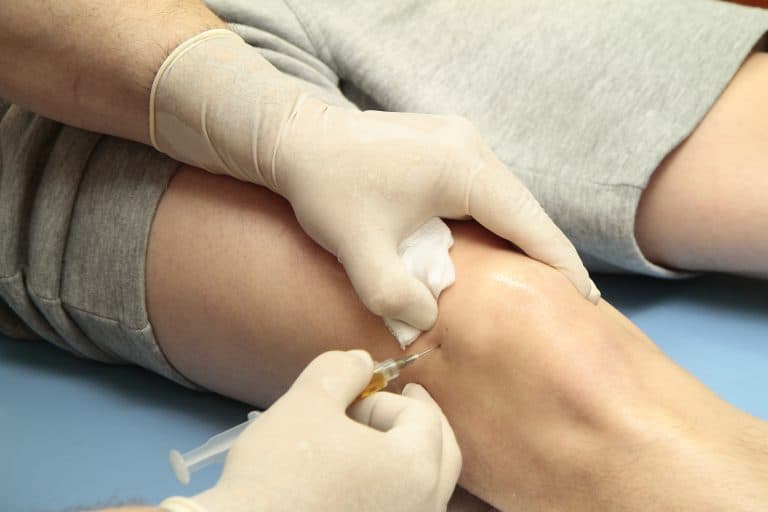
The response to Bueckers’ injury was swift and comprehensive. An ACL tear is a significant injury that often requires surgery and an extended period of rehabilitation to restore knee stability and athletic function. After confirming her diagnosis with advanced imaging, doctors implemented a detailed and individualized treatment plan. Immediate intervention is widely regarded as crucial, not only for physical recovery but also for managing the mental shock that comes with such a sudden halt to an athletic career . Bueckers benefited from expert care and psychological support—critical first steps that laid the foundation for her recovery.
Free non-medical discussion
Not sure what to do next?
Information only · No medical advice or diagnosis.
Long-Term Effects and Recovery Journey
Recovering from an ACL tear is a complex, gradual process that goes beyond simply healing a ligament. Bueckers embarked on months of intensive physiotherapy to regain her strength, agility, and confidence on the court. She had to adjust her training and sometimes her playing style to reduce the risk of reinjury, reflecting how many athletes must adapt after a major injury. The process demanded as much mental resilience as physical effort, emphasizing the importance of both aspects in a successful comeback. For Bueckers, this experience reshaped not only her body but also her approach to the game, propelling personal growth amidst adversity.

Media and Public Perception
Bueckers’ injury drew widespread attention—not just from her fans, but also from national sports media. The coverage often painted her as a symbol of perseverance and grit, celebrating her determination to return stronger. Such storytelling resonates with the public, reinforcing narratives of resilience that can be both inspiring and, at times, simplifying of the arduous and private nature of rehabilitation. The way her journey was covered has helped to increase awareness around the reality of injuries in sports, reminding audiences of the challenges athletes face behind the scenes.
Conclusion
Paige Bueckers’ ACL tear became a defining episode in her career, challenging her physically and emotionally while also impacting the way she’s perceived by the public. The timing of the injury introduced unique hurdles, but her determination—and the comprehensive care she received—highlighted the crucial roles of medical expertise, rehabilitation, and inner strength. The way her story has been told speaks volumes about how we view recovery and resilience in sports today, offering valuable insights into the journey many athletes must undertake after significant injury .
References
Bogunovic, L., & Matava, M. J. (2013). Operative and Nonoperative Treatment Options for ACL Tears in the Adult Patient: A Conceptual Review. The Physician and Sportsmedicine, 41(4), 33-40. https://doi.org/10.3810/psm.2013.11.2034
Jayasoorya, A., Salwan, A., Saoji, A., & Kawde, K. (2023). Bilateral Anterior Cruciate Ligament Reconstruction Using Gracilis and Semitendinosus Graft by Single-Staged Approach. Cureus. https://doi.org/10.7759/cureus.46038
Filtes, P., Beckerman, M., Austin, K., Buckley, P. S., & Swan, K. G. (2024). Surgical Management of a Torn ACL and Bucket-Handle Meniscal Tear in the Pregnant Patient. JBJS Case Connector, 14(2). https://doi.org/10.2106/jbjs.cc.23.00423
Frequently Asked Questions
- An ACL tear disrupts both physical ability and mental focus, posing significant challenges for athletes. Rehabilitation demands dedication and emotional resilience. At London Cartilage Clinic, Prof Lee offers expertise in supporting recovery, using advanced imaging and personalised rehabilitation plans, designed to address both physical and psychological hurdles for a successful outcome.
- Suffering an ACL tear during a peak career phase can have complex long-term effects. Early intervention is vital in such cases. Prof Lee at London Cartilage Clinic specialises in managing injuries at critical career moments, offering tailored treatment and support to help athletes regain their confidence and athletic performance.
- The typical treatment involves in-depth assessment, advanced imaging, and an individualised care plan. Prof Lee, with extensive experience in sports injuries, leads rehabilitation with cutting-edge techniques, aiming to restore knee stability and function safely. Psychological support is also integral, ensuring patients achieve the best possible rehabilitation journey.
- Prof Lee is highly regarded for his expertise in treating complex knee injuries, combining innovative approaches with compassionate care. London Cartilage Clinic is equipped with state-of-the-art facilities, ensuring athletes and patients receive top quality, comprehensive support throughout their recovery. Many trust Prof Lee for both professional sports and everyday injury management.
- Recovering from an ACL injury often involves psychological challenges. London Cartilage Clinic, led by Prof Lee, provides emotional support alongside world-class medical care. We understand patients’ anxieties and prioritise holistic recovery—addressing mental resilience and helping individuals return with renewed confidence after injury.
Legal & Medical Disclaimer
This article is written by an independent contributor and reflects their own views and experience, not necessarily those of London Cartilage Clinic. It is provided for general information and education only and does not constitute medical advice, diagnosis, or treatment.
Always seek personalised advice from a qualified healthcare professional before making decisions about your health. London Cartilage Clinic accepts no responsibility for errors, omissions, third-party content, or any loss, damage, or injury arising from reliance on this material.
If you believe this article contains inaccurate or infringing content, please contact us at [email protected].
London Cartilage Clinic
Modern treatments, designed for lasting knee outcomes
Every treatment plan is selected to help you return to the quality of life you deserve. Our team combines up-to-date techniques with consultant-led decision making across cartilage repair, regeneration and replacement.
What your journey can look like
Step 01
Consultant-Led Assessment
Symptoms, imaging and goals reviewed in one structured appointment.
Step 02
Personalised Treatment Plan
A clear route chosen from repair, regeneration or replacement options.
Step 03
Precision Delivery
Modern techniques and specialist equipment matched to your diagnosis.
Step 04
Long-Term Knee Health
Follow-up guidance focused on durable function and quality of life.
Will the Arthrosamid work for me
PAAG-8+ Questionnaire
A bright, structured entry point for patients exploring Arthrosamid. The questionnaire helps frame suitability, expectations, and 24-month clinical benefit discussion before a fuller consultant-led review.
Designed for shared decision-making. It does not replace specialist consultation, examination, imaging review, or formal medical advice.